
Visual Arts
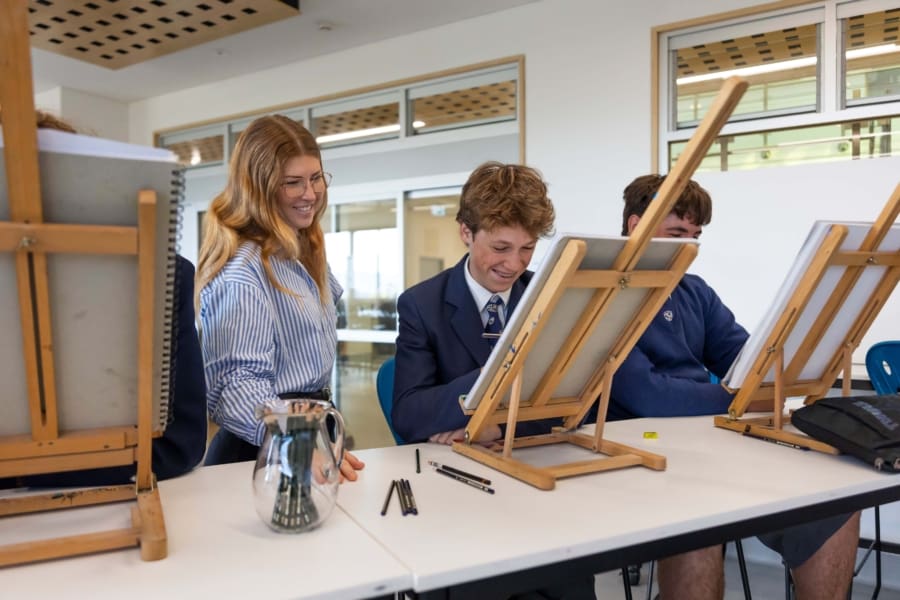
Visual Arts is a popular learning area at our School. Our students are guided by specialist Visual Arts teachers through our inspiring Kindergarten to Year 12 curriculum. They can also join our Art Club to learn more about artistic expression and collaborate with peers on projects.
Our students regularly exhibit and achieve awards for their exceptional artworks at public events including the annual Jindabyne Lake Light Sculpture festival and local shows.
The Curiosity Centre offers vibrant art spaces: a fully equipped art room, display gallery and state-of-the-art design and technology workshop where students can develop both traditional and digital art skills.
Our Visual Arts program fosters creativity, innovation and critical thinking – essential skills in our rapidly changing world, and importantly, it nurtures the heart and a love for art.
Think Like a Creator, Work Like a Pro
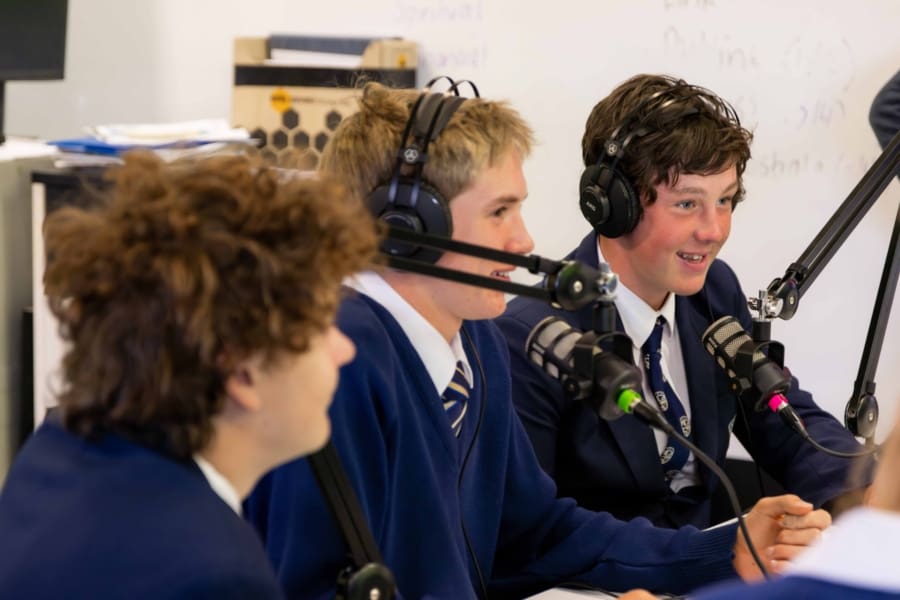
Digital Content Creator introduces students to the exciting world of producing creative content for digital platforms. From photography to podcasts and short films, students explore the full creation process in a program co-designed with industry experts.
Using tools such as phones, GoPros or DSLRs, students learn how to capture compelling images, design storylines and develop short films in the documentary genre. They gain hands-on experience in mapping shots, filming, and using production software to bring stories to life with both vision and sound.
Students also build a digital portfolio showcasing their photography, podcasting and videography skills. Each semester, they complete a major work that reflects their learning and creativity—equipping them with industry-ready skills and confidence for future opportunities in digital content creation.
Shaping Solutions Through Design
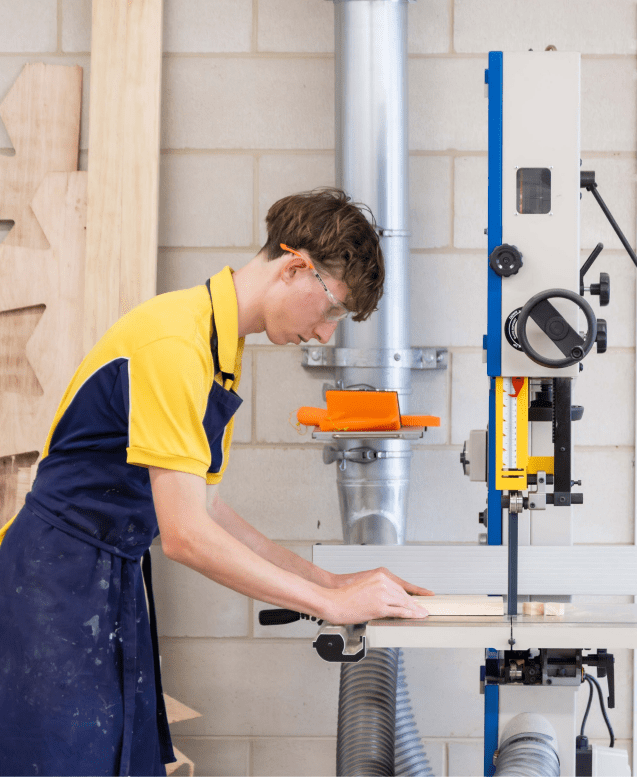
Design and Technology sparks creativity and critical thinking through hands-on project work. Students explore real-world problems, research existing solutions, analyse information and generate ideas which they refine using a range of technologies. This flexible process encourages experimentation, risk-taking and resourcefulness, while supporting diverse student interests and abilities.
Through this process, students develop future-focused skills and high-level thinking. They learn to evaluate why some designs and technologies succeed while others do not, gaining confidence in applying design principles to solve problems in creative and practical ways.
Students are connected with future pathways by engaging with careers in design and innovation. They develop knowledge, applied skills and awareness of the interconnection between design, technology, society and the environment preparing them to thrive in an innovation-driven world.