
Overview
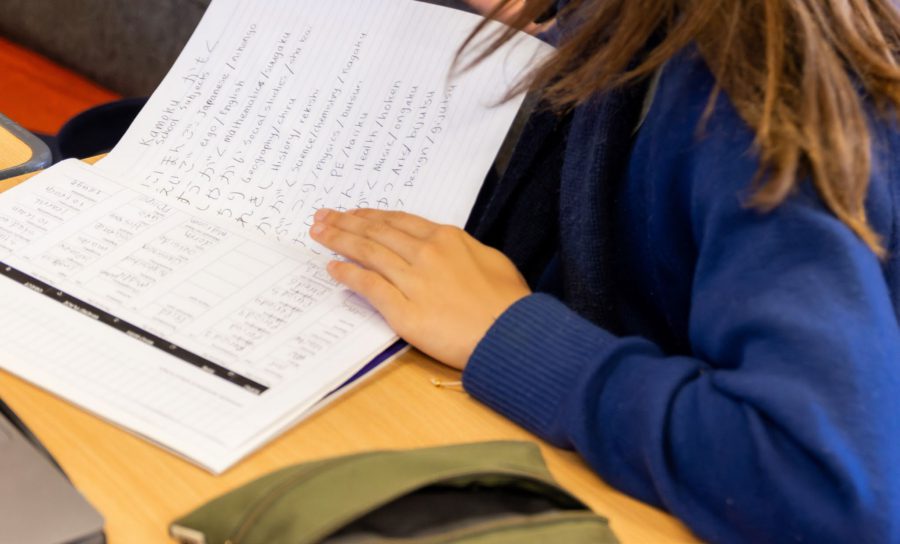
This course provides students with the opportunity to develop their linguistic and intercultural knowledge and understanding, and the speaking, listening, reading and
writing skills to communicate in Japanese. Topics covered provide contexts in which students develop their communication skills in Japanese and their knowledge and understanding of language and culture.
These topics include:
- Family life, home and neighbourhood
- People, places and communities
- Education and work
- Friends, recreation and pastimes
- Holidays, travel and tourism
- Future plans and aspirations
Students will also gain an insight into the culture and language of Japanese speaking communities through these topics.
HSC Assessment Structure
The assessment consists of three assessment pieces in Year 11 and four assessment pieces in Year 12. The course component skills assessed are Listening, Reading, Writing and Speaking Skills.
Career Paths
The knowledge and skills developed in this course can be applied across a range of career pathways. Studying a foreign language can open the door to a wide range of exciting and rewarding careers in fields such as translation and interpretation, international business, diplomacy, tourism and education. Many multinational companies seek employees who can communicate with global partners and clients, while government agencies often need language specialists for roles in intelligence, foreign service or immigration.
Skills Required
Skills required to learn Japanese are:
- Memorisation
- Listening skills
- Speaking and pronunciation skills
- Reading and writing skills
- Patience and persistence
- Cultural awareness
- Problem-solving skills
- Adaptability
Eligibility
The eligibility requirements for enrolling in a Beginners Japanese course:
- Students with no prior knowledge of Japanese can enrol.
- Students who have completed only one formal year of Japanese study are also eligible.
- However, students who have studied more than 100 hours of an approved NESA (NSW Education Standards Authority) Japanese course cannot enrol. For example, a student who studied Japanese in both Year 9 and Year 10 is not eligible.
In summary, this course is intended for complete beginners or those with limited exposure to Japanese.
Why Choose It
Language learning boosts cultural awareness and empathy, helping you understand different perspectives and interact more effectively with people from diverse backgrounds. It strengthens multitasking and adaptability, as switching between languages trains your brain to be more flexible. It improves overall communication skills—even in your native language—by making you more conscious of grammar, vocabulary, and tone.
Learning Japanese in Australia offers a variety of personal, academic, and professional benefits. Japan is one of Australia’s key economic and trading partners, so Japanese language skills can create job opportunities in business, trade, tourism, and international relations. With many Japanese companies operating in Australia and strong tourism links, bilingual individuals are valuable in customer service, hospitality, education, and translation. Culturally, learning Japanese allows deeper appreciation of Japan’s rich traditions, pop culture, and art, which are popular in Australia.