
Overview
Availability
Years 9-10
Qualification
RoSA
Music develops students’ creativity, confidence and self-expression through performing, composing and listening. Students engage with a wide range of musical styles and cultures while developing an appreciation of music as a powerful form of personal and cultural expression. Through practical and collaborative experiences, students explore how music communicates ideas, emotions and meaning.
In Music, students develop skills as performers, composers and active listeners. They learn to sing, play instruments, create original music, use music technology and analyse a variety of musical works. Students explore music from different times, places and cultures, including the rich musical traditions of Aboriginal and Torres Strait Islander Peoples.
Through performing, composing and listening activities, students develop creativity, collaboration, problem-solving and critical-thinking skills. Music is an ideal subject for students who enjoy performing, creating, working with technology and expressing themselves through sound and music
Core Focus Areas
- Performing as a soloist and ensemble musician
- Composing and arranging original music
- Listening to and analysing music from a range of styles and cultures
- Developing vocal and instrumental skills
- Using digital technologies for recording, mixing and music production
- Exploring Australian music, including Aboriginal and Torres Strait Islander musical traditions
Topics or Projects may include
- Contemporary Band Performance
- Songwriting and Composition
- Music Technology and Recording
- Music for Film and Media
- Australian Music and Popular Styles – Home Grown artist focus
- Ensemble Performance Projects
- Musical Theatre
Course Highlights
Include:
Performance Projects
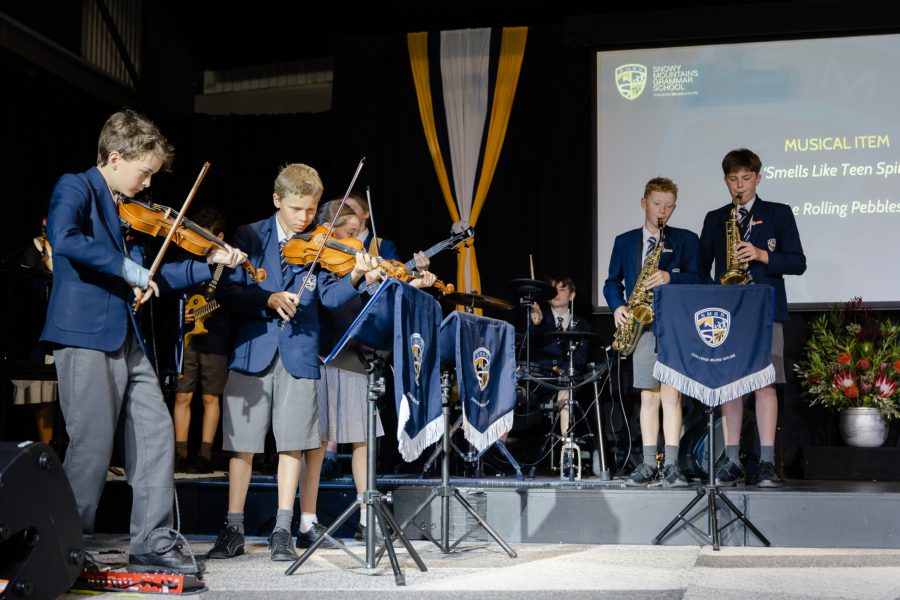
Students perform a range of musical styles as soloists and ensemble members, developing technical skills, confidence and stage presence. Through rehearsals and performances, students strengthen their vocal or instrumental abilities while learning how musicians communicate ideas and connect with audiences. Performances may include class showcases, lunch live sessions and Cre8ive showcases, school events and community performances.
Songwriting and Composition
Students create their own original music by experimenting with melody, harmony, rhythm and structure. Through songwriting and composition projects, students develop creative thinking skills while learning how composers communicate ideas, emotions and stories through music. Students have opportunities to notate, record and refine their own musical works.
Music Technology and Recording
Music extends beyond performance with opportunities to explore digital music production. Students use music technology to record, edit, mix and enhance performances and compositions. This highly practical area of study is particularly popular with students interested in music production, sound engineering, content creation and digital media.
Listening and Musical Discovery
Students explore music from different cultures, genres and historical periods while developing critical listening skills. Through the study of live and recorded performances, students learn how music reflects ideas, identities and experiences. These activities broaden musical knowledge, develop analytical skills and foster a deeper appreciation of music and its role in society.
Music develops creativity, confidence, communication and collaboration skills while encouraging self-expression and critical thinking. It is an ideal subject for students who enjoy performing, composing, working with technology and expressing ideas through music.